




Understanding the psychology behind gambling choices and behaviors
The Allure of Gambling
The world of gambling is captivating for many individuals, drawing them in with the promise of excitement and the thrill of winning. This allure often stems from a psychological phenomenon known as the “near-miss effect,” where players feel a sense of excitement even when they come close to winning. This can lead to a cycle of continued play, as the brain releases dopamine, reinforcing the behavior and creating an addictive loop. Players are often left with the feeling that they are only one step away from a significant win, which keeps them coming back for more. For those interested in optimizing their experience, exploring fast withdrawal casinos can make a significant difference.
Addiction to gambling can also be fueled by social influences. Peer pressure and the desire for social acceptance can play a significant role in an individual’s decision to engage in gambling activities. When friends or family participate in gambling, the individual may feel compelled to join, seeing it as a bonding activity. The social environment surrounding gambling, including celebratory moments and shared experiences, can further enhance its appeal, making it difficult to resist the temptation to join in.
Moreover, the environment of casinos, with their vibrant lights, sounds, and carefully designed layouts, is engineered to captivate players’ attention. These elements work together to create an immersive experience that can distract players from their losses and amplify the thrill of their wins. This multi-sensory experience can influence decision-making, leading individuals to gamble more than they originally intended, fueled by the immediate gratifications that casinos are designed to provide.
The Role of Cognitive Biases
Cognitive biases significantly impact how individuals approach gambling. One prevalent bias is the illusion of control, where players believe they can influence the outcome of games that are inherently random. This belief can lead individuals to make irrational decisions, such as betting larger amounts or playing more frequently, under the impression that they have some control over the game. This fallacy can be particularly prominent in games like poker, where skill may play a role, but luck remains a significant factor.
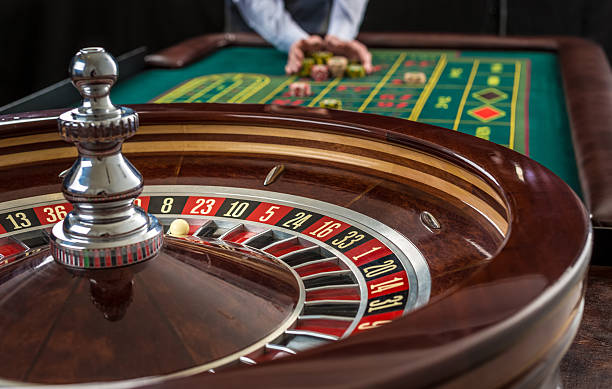
The gambler’s fallacy is another cognitive bias that often comes into play. Many gamblers believe that past outcomes can influence future results, leading them to make decisions based on previous winning or losing streaks. For example, if a player has observed a particular number not coming up in a roulette game, they might irrationally decide that it is “due” to hit soon. This misconception can lead to a dangerous cycle of betting, as individuals chase their losses or become overconfident about their next win.
Lastly, confirmation bias affects gambling decisions by making players more likely to focus on information that supports their beliefs while ignoring contradictory evidence. For instance, a gambler may remember their wins vividly while dismissing their losses as anomalies. This selective memory can reinforce their gambling behaviors, leading to continued play even when it’s clear that the odds are not in their favor. Understanding these cognitive biases can be crucial for recognizing harmful gambling behaviors and promoting healthier choices.
Emotional Influences on Gambling
Emotions play a significant role in gambling decisions, often driving individuals to gamble more when they experience strong feelings, whether positive or negative. During moments of stress or sadness, people may turn to gambling as a form of escapism, hoping to distract themselves from their problems. Conversely, when in a euphoric state, individuals may be more inclined to take risks, believing that their good fortune will continue. This emotional rollercoaster can lead to impulsive gambling behavior that disregards rational thought.
Additionally, the concept of “chasing losses” frequently manifests when a player experiences a significant loss. This emotional response can compel individuals to gamble more in an attempt to recover their losses, often resulting in even greater financial detriment. The emotional high of winning can overshadow the rational assessment of risk, leading to decisions that prioritize immediate gratification over long-term financial health.
Furthermore, emotional triggers in the gambling environment can exacerbate these behaviors. The adrenaline rush associated with big wins, coupled with the disappointment of losses, creates a volatile emotional landscape. This constant fluctuation can condition players to seek out gambling experiences as a way to manage their emotions, leading to a cycle of dependency that is difficult to break. Recognizing these emotional influences is essential for understanding and managing gambling behavior effectively.
The Impact of Environment and Design
The environment in which gambling takes place significantly impacts players’ choices and behaviors. Casino architecture is meticulously designed to create an atmosphere that enhances the gaming experience. Elements such as lighting, color schemes, and layout play crucial roles in manipulating players’ feelings and experiences. For instance, vibrant colors and flashing lights can stimulate excitement, while sound effects, like the ringing of slot machines, can evoke a sense of urgency and success. This deliberate design can lead to prolonged gambling sessions, often without players fully realizing the time and money they are spending.
The strategic placement of games and amenities within casinos is another factor that influences behavior. High-stakes games are often placed near popular attractions, such as bars or restaurants, drawing players toward them while they seek social interaction or refreshments. This design encourages gamblers to spend more time and money, as they become immersed in the overall casino experience. The circular design of many casinos, which allows for seamless movement from one game to another, also plays a role in encouraging continued play, making it easy for players to lose track of their gambling time and expenditures.
Furthermore, online gambling platforms are designed with similar principles in mind. The use of bright colors, engaging graphics, and user-friendly interfaces creates an inviting atmosphere for players. These platforms often employ gamification elements, such as rewards and achievements, to keep players engaged and invested in their gaming experience. Understanding the psychological effects of these design choices can help individuals recognize the manipulative tactics at play and make more informed decisions about their gambling behaviors.
Finding Support and Resources
For those struggling with gambling behaviors, understanding the psychological factors at play is the first step toward recovery. Many organizations offer support for individuals seeking to change their relationship with gambling. These resources provide education on the psychological aspects of gambling addiction, helping individuals recognize the signs of problematic behavior and the cognitive biases influencing their decisions. Support groups also provide a sense of community and understanding, allowing individuals to share experiences and coping strategies.
Online platforms focused on responsible gambling often provide tools and resources for players to assess their gambling habits. Many casinos now include self-exclusion options, allowing players to set limits on their gambling activities. These measures can help individuals manage their behaviors more effectively and take control of their gambling experiences. Furthermore, many gambling websites offer links to professional counseling services, providing players with access to trained professionals who can assist them in their recovery journey.
As awareness of gambling addiction continues to grow, more resources are becoming available to help individuals make informed choices about their gambling habits. By leveraging these tools and understanding the psychological factors influencing gambling behaviors, individuals can work towards healthier relationships with gambling. Whether through self-education, support groups, or professional assistance, there are paths to recovery and responsible gambling practices.